


-

Add: HeBei ShengShi HongBang Cellulose Technology CO.,LTD.
-

Email
13180486930@163.com -

CONTACT US
+86 13180486930
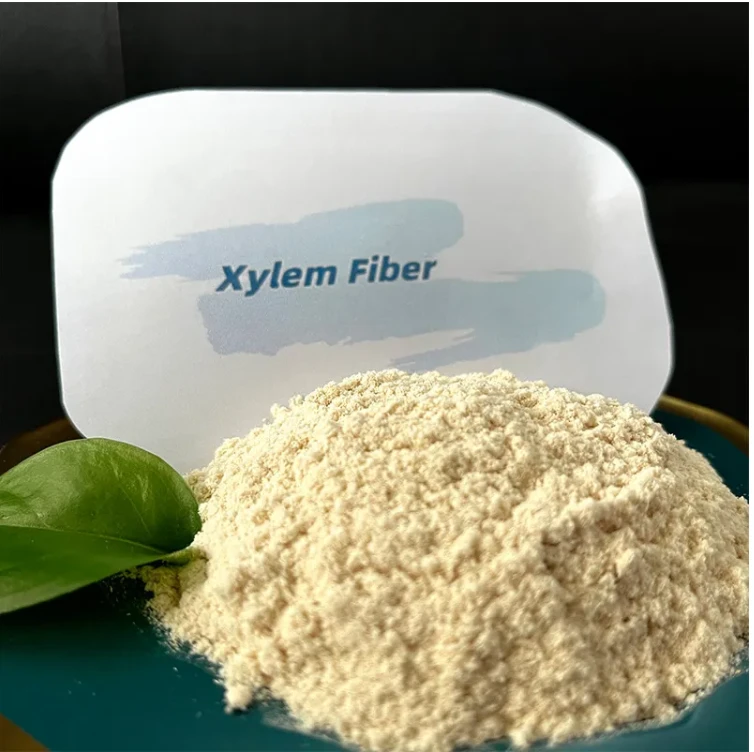
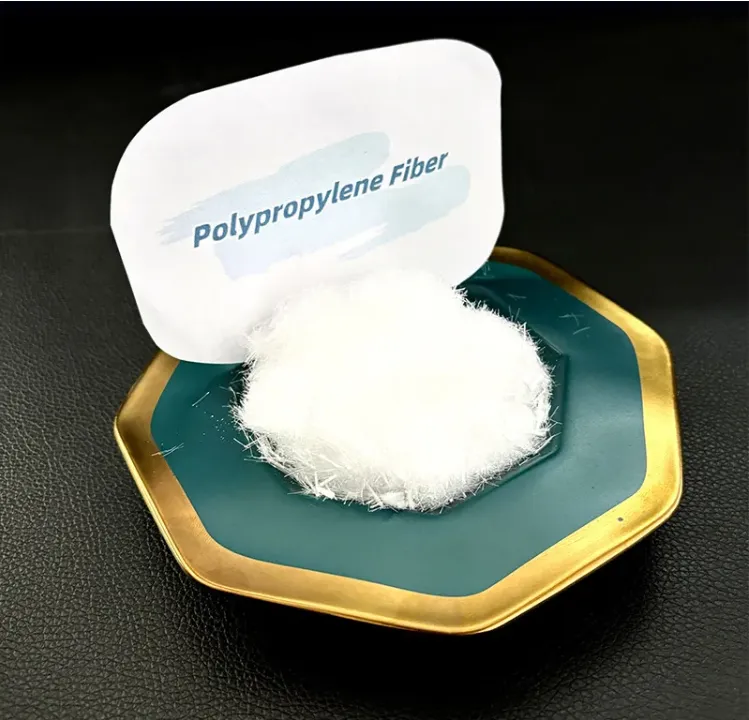


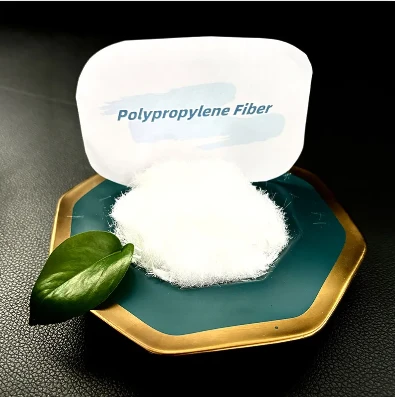
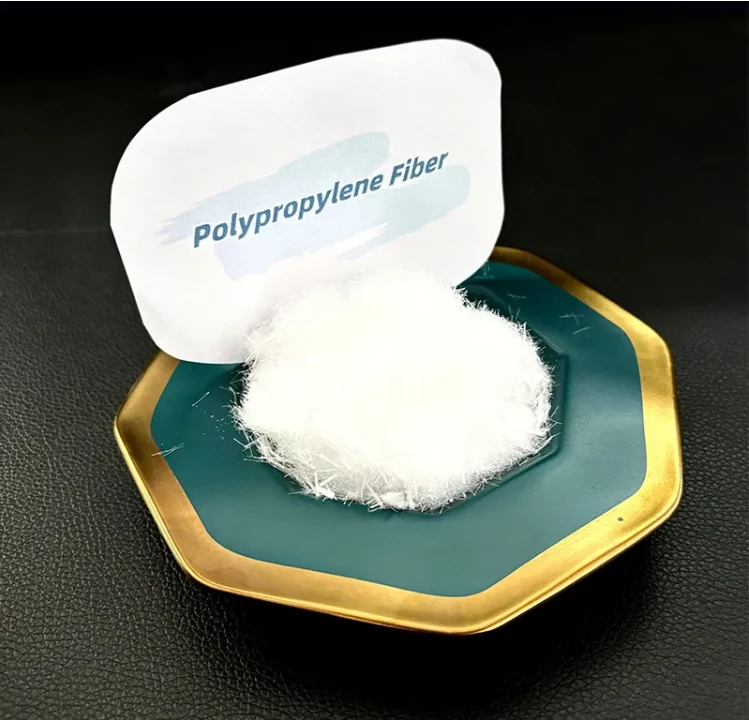
In the world of modern construction, synthetic fibers have revolutionized the way materials are used, enhancing the strength, flexibility, and durability of various building components. The different types of synthetic fibers available today are engineered for specific uses, making them indispensable in many construction projects. These fibers are often used to reinforce concrete, improve the resilience of building structures, and provide additional benefits like increased fire resistance and weather protection. From polypropylene fibers to long glass fibers , synthetic fibers offer a range of options tailored to different needs. Whether it’s increasing the strength of cement or providing insulation properties, the different types of synthetic fibers ensure that construction projects meet high standards of quality and longevity. In addition to their superior performance, synthetic fibers are often more cost-effective and readily available than traditional materials. This makes them a preferred choice for construction companies aiming to reduce costs while maintaining high-quality results. Furthermore, the environmental impact of synthetic fibers is increasingly being addressed with sustainable production methods, making them a more eco-friendly option for the construction industry. Long Glass Fiber Polypropylene: A Key Ingredient for Stronger Materials One of the standout synthetic fibers in the construction industry is long glass fiber polypropylene . This innovative fiber combines the strength of glass with the lightweight, corrosion-resistant properties of polypropylene. As a result, long glass fiber polypropylene is often used to reinforce concrete and other building materials, providing a significant boost in durability and performance. The inclusion of long glass fiber polypropylene in construction materials helps reduce cracking and improve the structural integrity of buildings and roads. The long fibers create a matrix that distributes stresses evenly across the material, preventing localized damage. This fiber is particularly useful in high-strength concrete applications where additional reinforcement is needed. Moreover, long glass fiber polypropylene is highly resistant to environmental factors like moisture, UV radiation, and temperature changes, making it ideal for both indoor and outdoor construction projects. It is commonly used in applications like paving, drainage systems, and even in the production of prefabricated building components. Its versatility and effectiveness in improving the lifespan and reliability of building materials make it a go-to solution for modern construction needs. Fibre Natural and Synthetic: A Comparison of Strength and Sustainability When choosing materials for construction, understanding the difference between fibre natural and synthetic options is crucial. While natural fibers such as jute, hemp, and cotton have been traditionally used in construction, synthetic fibers like polypropylene, polyester, and nylon have emerged as more durable and cost-effective alternatives. Fibre natural and synthetic materials each have their own advantages, making them suitable for different types of applications. Natural fibers are renewable, biodegradable, and often produced using more sustainable methods, making them a more eco-friendly option. However, they may not offer the same level of strength or resistance to environmental factors as synthetic fibers. On the other hand, synthetic fibers are engineered for durability, offering superior resistance to moisture, heat, and wear. They are often used to enhance the properties of natural materials, making them more suitable for demanding construction environments. For example, natural fibers like hemp may be used in insulation or as a reinforcement material in low-stress applications, while synthetic fibers like polypropylene or polyester are used for high-strength reinforcement in concrete, roofing, and other critical structures. By combining the best of both fibre natural and synthetic materials, construction companies can achieve optimal performance and sustainability. Non-Woven Polypropylene Fiber: A Revolutionary Material in Construction Non woven polypropylene fiber is another essential material that is increasingly being used in the construction industry. Unlike traditional woven fabrics, non woven polypropylene fiber is made from a process that bonds fibers together without weaving or knitting, resulting in a highly versatile material with excellent durability and moisture resistance. This fiber is widely used in applications like drainage systems, geotextiles, and road construction. Non woven polypropylene fiber provides a lightweight yet strong solution for reinforcing construction materials. It is often used in soil stabilization, as it helps prevent erosion and improves the strength of the ground underneath roads, bridges, and buildings. The material's ability to resist moisture also makes it ideal for protecting against corrosion and extending the lifespan of infrastructure. Additionally, non woven polypropylene fiber is environmentally friendly, as it is made from recyclable polypropylene, a material that can be repurposed for various other uses. Its cost-effectiveness, combined with its high-performance qualities, makes it a popular choice for contractors seeking durable and sustainable solutions for their construction projects. S ynthetic F ibers FAQs What are the different types of synthetic fibers used in construction? Synthetic fibers used in construction include polypropylene, polyester, nylon, and glass fibers. Each type is engineered for specific applications, such as reinforcing concrete, improving durability, and providing insulation. What is long glass fiber polypropylene, and why is it important in construction? Long glass fiber polypropylene is a fiber that combines the strength of glass with the lightweight, corrosion-resistant properties of polypropylene. It is essential in construction for reinforcing concrete, improving structural integrity, and preventing cracking. What are the benefits of using natural fibers in construction? Natural fibers , like hemp or jute, offer benefits such as renewability, biodegradability, and sustainability. They are commonly used for insulation and low-stress reinforcement, but may not be as durable or resistant to environmental factors as synthetic fibers. How does non-woven polypropylene fiber differ from woven fabrics? Unlike woven fabrics, non-woven polypropylene fiber is made through a bonding process that does not involve weaving or knitting. This results in a highly durable and moisture-resistant material, commonly used in geotextiles, drainage systems, and soil stabilization. Are synthetic fibers environmentally friendly? While synthetic fibers are often made from petroleum-based products, many are now produced using more sustainable methods. Additionally, materials like non woven polypropylene fiber are recyclable, making them a more environmentally friendly choice in construction. As construction needs evolve, synthetic fibers like long glass fiber polypropylene and non woven polypropylene fiber continue to play a crucial role in enhancing the strength, durability, and sustainability of building materials. If you're in the construction business, investing in these cutting-edge fibers will improve the performance of your projects and contribute to more eco-friendly practices. Visit our website today to explore our wide range of high-quality synthetic fibers and learn how they can transform your construction projects!
- 40000tons

Production
- 20+years

Experience
- 5000+㎡

Acreage

-
The enduring performance of rubber powder in building materials stems from its inherent molecular structure and physical properties. Derived primarily from recycled tires or industrial rubber waste, this granular material possesses exceptional resistance to environmental degradation. Unlike many construction additives, rubber powder exhibits remarkable resilience against freeze-thaw cycles, moisture ingress, and UV radiation – key factors compromising traditional materials. The cross-linked polymer chains within the rubber particles resist chemical breakdown, maintaining elasticity over decades. When incorporated into matrices like concrete or asphalt, micronized rubber powder creates a flexible network that accommodates structural movement and thermal expansion without cracking. This intrinsic flexibility prevents the brittle failure common in unmodified rigid composites, translating directly to extended service life for infrastructure exposed to dynamic loads and harsh climates. The durability isn't merely additive; it fundamentally alters the failure mode of the host material. Superior Performance of Micronized Rubber Powder Refining rubber powder into micronized rubber powder significantly elevates its durability contribution. Produced through cryogenic grinding or advanced ambient processes, micronized particles achieve unparalleled dispersion within cementitious or bituminous binders. This ultra-fine particle size dramatically increases the interfacial surface area between the rubber and the matrix. Consequently, stress transfer becomes more efficient, minimizing localized points of weakness. Micronized rubber powder enhances cohesion within the composite, reducing water permeability by filling microscopic voids and creating a more tortuous path for moisture and aggressive agents like chlorides or sulfates. This refined particle structure also improves the powder's bonding with cement hydrates or asphalt binders, mitigating delamination risks. Crucially, the smaller particle size allows micronized rubber powder to distribute stresses more uniformly throughout the material, preventing crack initiation and propagation far more effectively than coarser grades. The result is composites exhibiting superior fatigue resistance, reduced spalling, and significantly slower degradation rates under abrasion or impact. Rubber Powder for Enhanced Surface Protection A specialized application leveraging rubber powder 's durability is powder coating rubber . This technique involves electrostatically applying a dry blend incorporating finely ground rubber powder and thermosetting resins onto metal or concrete surfaces, followed by thermal curing. The fused coating forms a continuous, seamless membrane where the rubber powder particles are intimately bound within the polymer matrix. The resulting powder coating rubber layer delivers exceptional multi-faceted protection: Abrasion and Impact Resistance: The inherent toughness and elasticity of the rubber particles absorb mechanical energy, protecting substrates from wear, chipping, and impact damage in high-traffic areas or industrial settings. Chemical and Corrosion Barrier: The coating acts as a formidable barrier against moisture, deicing salts, mild acids, alkalis, and industrial pollutants, preventing corrosion of underlying steel in reinforced concrete or metal structures. Weathering Stability: UV-resistant resins combined with the stable rubber particles ensure the powder coating rubber maintains its integrity, adhesion, and colorfastness under prolonged sun exposure and wide temperature fluctuations. Crack Bridging: The flexible nature allows the coating to bridge existing hairline cracks in concrete substrates, preventing water ingress and further deterioration. This makes powder coating rubber ideal for protecting bridges, parking structures, pipelines, and architectural elements. Factors Influencing Rubber Powder Performance Maximizing the durability benefits of rubber powder ,requires careful consideration of material and application factors: Particle Size Distribution: Optimal performance hinges on selecting the right particle size. Coarse rubber powder provides bulk elasticity in shock-absorbing layers, while micronized rubber powder excels in matrix modification for crack resistance. For powder coating rubber , ultra-fine, consistent particles ensure smooth film formation. Cleaning and Decontamination: Effective removal of steel cord, fabric, and contaminants from recycled rubber is non-negotiable. Impurities act as initiation points for degradation, compromising adhesion in composites and coatings. Surface Modification: Treating rubber powder particles with silanes or other coupling agents dramatically improves adhesion to inorganic matrices like cement or asphalt. This prevents debonding under stress or moisture exposure, a critical factor for long-term composite integrity. Dosage and Mix Design: Overloading composites with rubber powder can negatively impact compressive strength and workability, potentially offsetting durability gains. Finding the optimal dosage through rigorous testing is essential. For powder coating rubber , the rubber-to-resin ratio dictates flexibility versus hardness. Application Quality: For coatings, surface preparation (blast cleaning, profiling) and precise application/curing parameters are paramount for achieving the durable, adherent film promised by powder coating rubber technology. FAQs about Rubber Powder How does rubber powder withstand decades of weathering in concrete? The exceptional weathering resistance of rubber powder arises from its stable polymer backbone, primarily composed of cross-linked carbon-carbon and carbon-hydrogen bonds highly resistant to UV photodegradation and hydrolysis. Unlike organic additives that may biodegrade or hydrolyze, the inert nature of vulcanized rubber ensures it doesn't break down in alkaline concrete environments or leach harmful substances. Micronized rubber powder 's fine dispersion further minimizes exposed surface area vulnerable to oxidation. Combined with the protective alkaline environment of concrete, this grants rubber powder remarkable longevity, often exceeding the service life of the concrete structure itself without significant property loss. Does micronized rubber powder improve freeze-thaw durability? Absolutely. Micronized rubber powder significantly enhances freeze-thaw resistance in cementitious materials. Its hydrophobic nature reduces overall water absorption in the composite. More importantly, the flexible rubber particles create millions of microscopic, compressible voids within the matrix. When water trapped in capillary pores freezes and expands, these rubber-modified voids act as pressure relief chambers, absorbing the expansion stress instead of forcing the surrounding concrete to crack. This mechanism, combined with reduced permeability from better particle packing, makes micronized rubber powder a potent defense against the destructive scaling and cracking caused by repeated freeze-thaw cycles. Can powder coating rubber prevent corrosion on steel-reinforced concrete? Yes, powder coating rubber applied to the concrete surface is a highly effective corrosion protection strategy for underlying steel reinforcement. It functions as a near-impermeable barrier, drastically reducing the ingress of water, oxygen, and chloride ions – the essential components for corrosion initiation and propagation. The excellent adhesion and crack-bridging ability of the cured powder coating rubber film ensure long-term integrity, preventing debonding that could allow corrosive agents to reach the steel. Furthermore, its electrical insulation properties hinder electrochemical corrosion processes. Will rubber powder leach harmful substances over time? High-quality, properly processed rubber powder derived from tires or industrial sources exhibits minimal leaching. Modern production involves rigorous washing, decontamination, and removal of soluble impurities. The vulcanization process used in tire manufacturing creates a stable, cross-linked polymer network that is highly resistant to chemical breakdown in typical construction environments. Reputable manufacturers provide leaching test data demonstrating compliance with environmental regulations for construction use. Concerns primarily relate to zinc from tire vulcanization or trace organics, but levels in compliant rubber powder are well below thresholds posing environmental or health risks in building applications. How does rubber powder durability compare to polymer modifiers? Rubber powder offers distinct durability advantages over many liquid polymer dispersions . While both enhance flexibility and adhesion, rubber powder possesses inherent resistance to UV degradation and higher temperature stability. Liquid polymer films can embrittle or degrade under intense UV exposure or high heat, compromising long-term performance. Rubber powder , being a solid particulate derived from already vulcanized rubber, maintains its elastic properties over a wider temperature range and is virtually unaffected by UV light. The strategic integration of rubber powder , particularly micronized rubber powder , into building materials represents a paradigm shift towards enhanced durability and sustainability. Its unique ability to impart flexibility, reduce crack propagation, improve impact and abrasion resistance, and provide superior weathering stability directly translates to structures that endure.If you are interested, you can click https://www.sshbhpmc.com/ consult us.
-
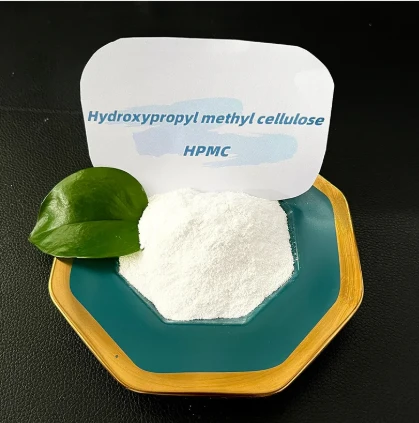
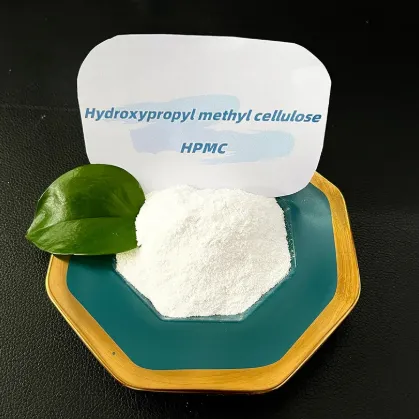
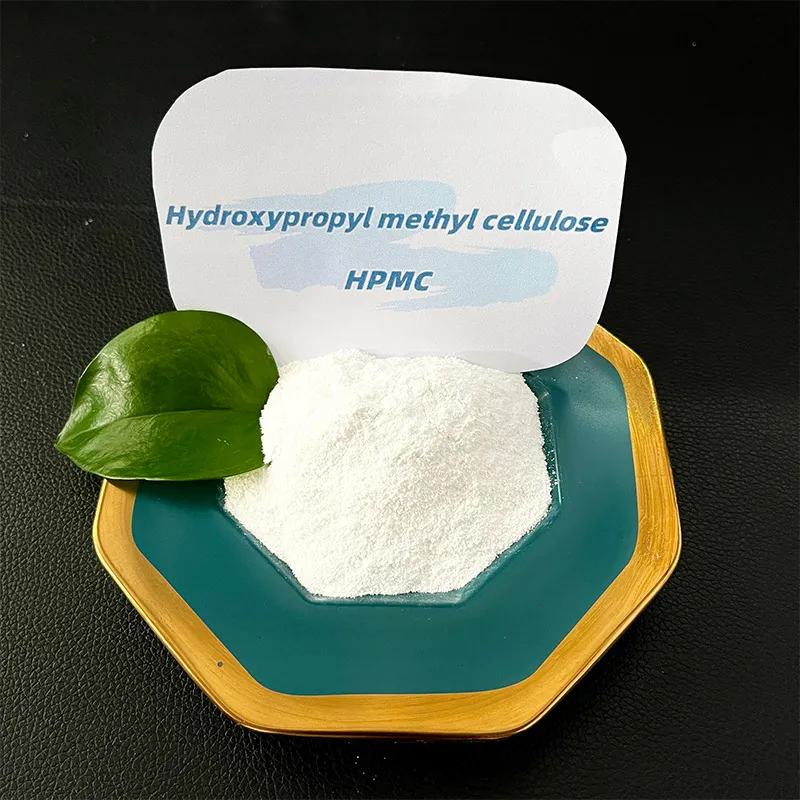
Utilizing Hydroxypropyl Methylcellulose (HPMC) in Skim Coats Expert Insights Hydroxypropyl Methylcellulose (HPMC) has emerged as a vital component in the construction industry, particularly in the formulation of skim coats. Its application not only enhances the overall quality of the finish but also optimizes the working conditions for contractors. As an expert delves into the nuanced benefits of HPMC for skim coats, it becomes evident that it is an indispensable material fostering exceptional results, grounded in its scientific properties and practical application. When it comes to producing a smooth, durable skim coat, understanding the precise role of HPMC is critical. Serving as a thickener, binder, film-former, and water retention agent, HPMC fortifies the coat, ensuring its consistent texture and durability. Its ability to improve the workability of the plaster or stucco by controlling its viscosity places it in high regard among applicators aiming for precision and ease of application. In practical settings, the water retention capacity of HPMC allows for extended working times which becomes crucial in high-temperature or low-humidity environments. This property not only ensures that the coat does not set too quickly, allowing for leisurely manipulations and adjustments but also aids in preventing cracks that might occur due to rapid evaporation of water from the mix. The excellent tensile strength provided by HPMC ensures that the final set coat is not only visually appealing but also robust in structure. Another valuable contribution of HPMC to skim coats lies in its adhesive properties . By improving the adhesion between the skim coat and its substrate, HPMC helps in minimizing detachment risks and ensures the longevity of the finish. This adhesive enhancement is vital for large-scale projects where the structural integrity of the coat is non-negotiable. hpmc for skim coat Technical expertise underscores the versatility of HPMC in adjusting setting times. By tailoring the quantity of HPMC in the mixture, professionals can manage setting and curing times to align with specific environmental conditions and project schedules. This adaptability underscores HPMC's critical role in mitigating project risks associated with weather-induced delays or imperfections. Moreover, incorporating HPMC optimizes the surface activity of skim coats, contributing significantly to enhanced stain resistance and finishing quality. Its ability to form an evenly distributed film over surfaces ensures that the final finish can resist external contaminants, providing a cleaner and more resilient surface. The authoritative endorsement of HPMC for use in skim coats is well-established through scientific research and real-world applications. Industry experts consistently rely on HPMC due to its proven, reliable performance and economic feasibility. As a scientifically backed additive, it garners trust not only from contractors and builders but also from environmental scientists for its non-toxic nature and biodegradability. This eco-friendly profile of HPMC solidifies its standing as a sustainable choice in modern construction practices. Increasingly, the construction industry values such sustainable practices, and HPMC's profile aligns well with green building standards, making it an ideal choice for contemporary projects. As building practices evolve towards more sustainable and environmentally friendly methods, materials such as HPMC gain prominence for aligning with these future-forward standards and regulations. In conclusion, the utilization of HPMC in skim coat formulations brings substantial technically and environmentally grounded improvements, enhancing the quality and lifespan of the coat. Its robust physical properties foster reliability and adaptability crucial for modern building demands. As the construction sector continues to lean into these multi-benefit materials, industry experts can confidently assert that HPMC not only meets but surpasses current standards for enhancing construction material performance. Its established efficacy, coupled with environmental compatibility, presents HPMC as a trusted choice for skim coat applications.
advantages
-

200000 Viscosities
Excellent product
We can produce pure products up to 200,000 viscosities
-

40000 tons
High yield
We don’t stop production all year round, and the annual output can reach 40,000 tons
-

24 hours
Quality service
We provide 24-hours online reception service, welcome to consult at any time
———— Inquiry Form
Schedule A services
-
 micro_synthetic_fiber_concrete
Oct . 25, 2025
The construction industry constantly evolves to meet demands for better performance, enhanced effici -
 bei_ya_pp
Oct . 25, 2025
Understanding Methyl Cellulose and Its Pricing Dynamics Methyl cellulose, a water-soluble polymer de -
 fibra_manufacturada
Oct . 25, 2025
Methylcellulose tablets are rapidly gaining attention in both the medical and wellness industries du


